How to find perfect stargazing destinations and dark skies in Europe
5/20/20265 min read
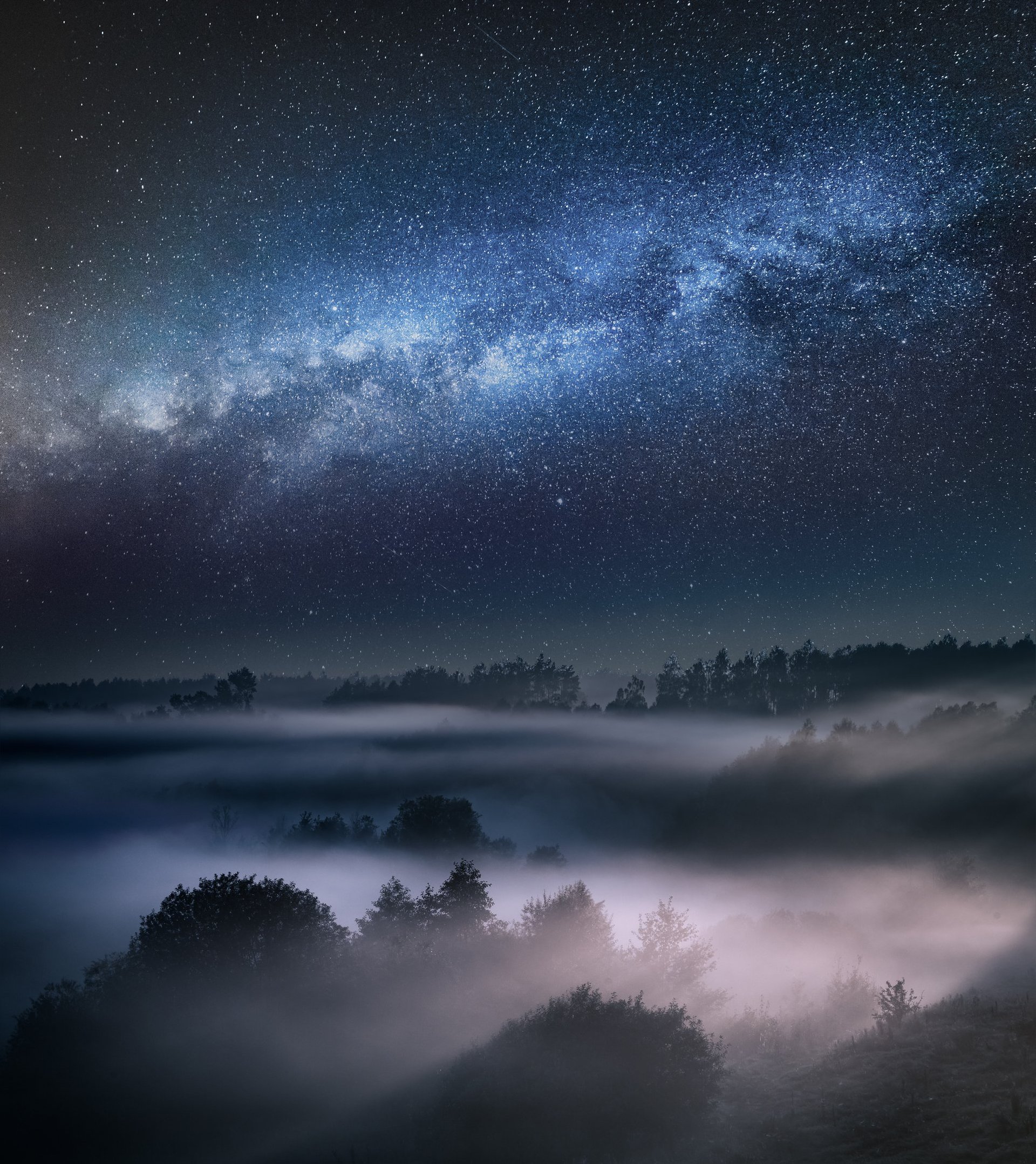
Stargazing is one of those timeless experiences that connects us with the universe in a deeply personal way. It’s not just about spotting twinkling lights; it’s about the stories, and the quiet moments that remind us how vast and beautiful our Cosmos truly is.
Why Choose Europe for Stargazing?
When people think of prime stargazing, their minds often jump to remote deserts or famous observatories scattered around the globe. Yet, Europe’s charm lies in its diversity. From the volcanic peaks of the Canaries to the rugged Scottish Highlands, the continent offers a remarkable range of environments where the stars shine bright. What makes Europe truly special, though, is how these natural wonders intertwine with centuries of human history, culture, and myth—turning every stargazing night into a richer, more layered experience.
What Makes a Stellar Stargazing Destination?
Finding the perfect place to watch the stars isn’t just about picking the darkest spot on a map. It’s actually also about understanding what factors come together to create an unforgettable night under the sky:
Light Pollution: This is the biggest enemy of stargazers. Urban sprawl, street lamps, and neon signs wash out the night sky. Seek out places officially recognized as Dark Sky Parks or Reserves—these are protected areas where artificial light is strictly controlled, allowing the Milky Way and distant galaxies to dazzle.
Altitude and Terrain: Higher elevations mean thinner atmosphere and less haze, which translates to crisper, clearer views. Mountains, plateaus, and volcanic peaks are often ideal. But don’t discount coastal cliffs or isolated islands, where clean ocean air can also offer remarkable clarity.
Weather Patterns: A cloudless sky is non-negotiable for stargazing. Regions with dry, stable weather and minimal humidity provide the best conditions. Consider seasonal variations—some areas shine brightest in winter, others in summer.
Accessibility and Safety: Remote locations might offer spectacular skies, but they also require careful planning. Ensure the area is safe and reachable, with accommodations nearby if you plan overnight stays.
Cultural and Educational Opportunities: Some locations offer more than just dark skies. They host astronomy festivals, night tours, and have observatories or visitor centers where you can deepen your knowledge and connect with fellow star enthusiasts.
Unearthing Europe’s Hidden Stargazing Gems
Europe hides some truly exceptional stargazing spots that go beyond the usual recommendations. Here are some places:
La Palma, Canary Islands, Spain: La Palma is often hailed as the “Island of Stars.” Its volcanic landscape includes the Roque de los Muchachos Observatory, perched over 2,400 meters above sea level. The island’s strict light pollution laws and stable weather make it a paradise for astronomers. Imagine standing on volcanic rock, with the Atlantic Ocean stretching out beneath you, as the Milky Way arches overhead.
Jotunheimen National Park, Norway: Beyond the ethereal beauty of the Northern Lights, Jotunheimen offers crystal-clear skies in the darker months. The towering peaks provide a dramatic silhouette against constellations. Pair your stargazing with Norway’s rich folklore about the cosmos for a truly immersive experience.
Exmoor National Park, England: As one of the UK’s first International Dark Sky Reserves, Exmoor is a countryside treasure. Here, rolling hills and ancient woodlands create a peaceful backdrop. The park regularly hosts astronomy events, making it a welcoming spot for beginners and experts alike.
Mont-Mégantic, France: This lesser-known Dark Sky Reserve in the French-speaking region of Quebec (technically North America but often included in extended European stargazing discussions due to cultural ties) offers an observatory, educational programs, and some of the darkest skies around. The blend of forested landscapes and scientific inquiry creates a unique vibe for stargazers.
Scottish Highlands, Scotland: Sparse populations, rugged terrain, and long nights make the Highlands a dream location. Beyond the stars, you might catch the elusive Northern Lights dancing on the horizon. Plus, the region’s ancient castles and myths add a mystical element to your night under the stars.
Sierra de Gredos, Spain: This mountain range offers not only clean, dark skies but also a peaceful retreat from bustling cities. The natural park status helps keep light pollution low. And with fewer tourists than the Canaries, it’s a quieter, more intimate stargazing experience.
Of course, there are many more, less known or even unknown places, locations and spots, and we have some cool guides on that.
Planning Your Night Under the Stars
Once you’ve picked your destination, maximizing your stargazing experience takes some thoughtful preparation:
Mind the Moon: The moon’s brightness can overshadow fainter stars and celestial objects. Planning your visit around the new moon phase ensures the darkest possible skies.
Gear Up Smartly: You don’t need a high-end telescope to enjoy the stars, but a decent pair of binoculars and a star map or an astronomy app can transform your experience. Don’t forget warm, layered clothing, as nights can get chilly—even in summer.
Red Lights Only: Use a red flashlight to preserve your night vision. White light disrupts your eyes’ adjustment to darkness, making stars harder to see.
Join Local Astronomy Groups: Many dark sky sites have active communities or host stargazing events. Joining a night tour or group can enrich your experience, offering expert insights and shared wonder.
Patience and Presence: Stargazing is an exercise in calm and mindfulness. Give your eyes 20-30 minutes to fully adjust to the dark, and take time to simply be present in the vastness of the cosmos.
The Magic Beyond the Stars
Stargazing in Europe isn’t just about what you see above—it’s also about the stories and connections you forge beneath that sky. From ancient myths about constellations to modern-day scientific discoveries, every point of light carries meaning. Many European stargazing spots lie in regions rich with history, where local legends and cultural traditions add depth to the night.
Imagine sitting beside a crackling fire in the Scottish Highlands, wrapped in a warm blanket, listening to tales of celestial warriors and mythical beasts as the stars wheel overhead. Or picture yourself on a volcanic ridge in La Palma, contemplating the universe’s vastness as you watch shooting stars streak across the Milky Way.
Final Thoughts
Finding the perfect stargazing destination in Europe is about more than just dark skies—it’s about the whole experience: the landscape, the culture, the weather, and your own sense of wonder. Whether you are drawn to the volcanic heights of the Canaries, the mystical moors of Scotland, or the quiet fields of Exmoor, Europe offers stellar opportunities to connect with the cosmos.
So pack your star map, plan your trip around the moon phases, and prepare to be amazed. The perfect night sky is waiting for you, painted with billions of stars and endless possibilities.
Happy stargazing, and may your European nights be filled with celestial magic.
Read next:
Contact
Questions or tips? Reach out anytime:
SUBSCRIBE:
© 2025. Stargazing Europe All rights reserved.
Find best locations for stargazing and best spots for dark sky views:
Home
About
Blog
Locations