Big guide on lesser known places in Europe with dark skies for undisturbed stargazing
5/2/202615 min read
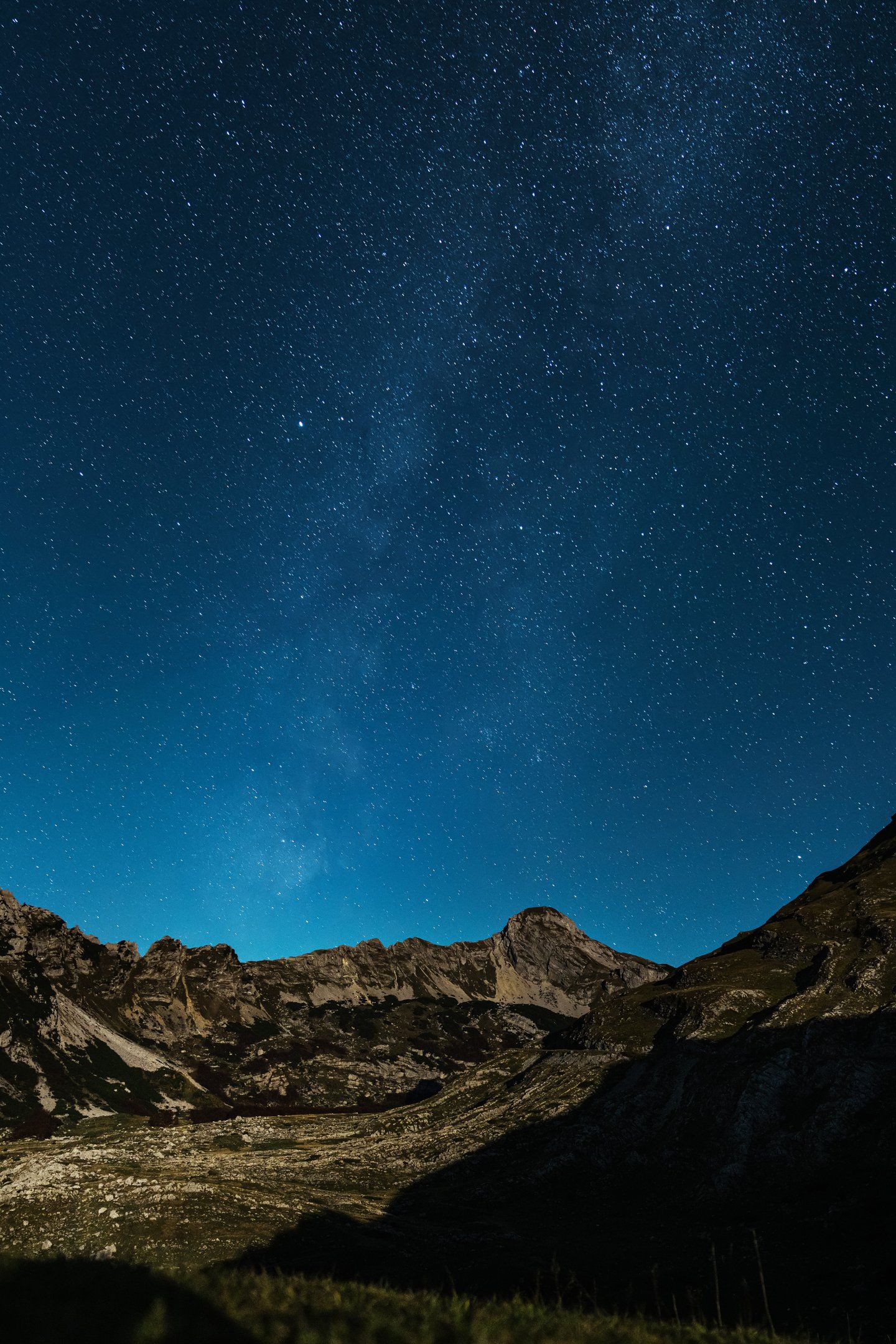
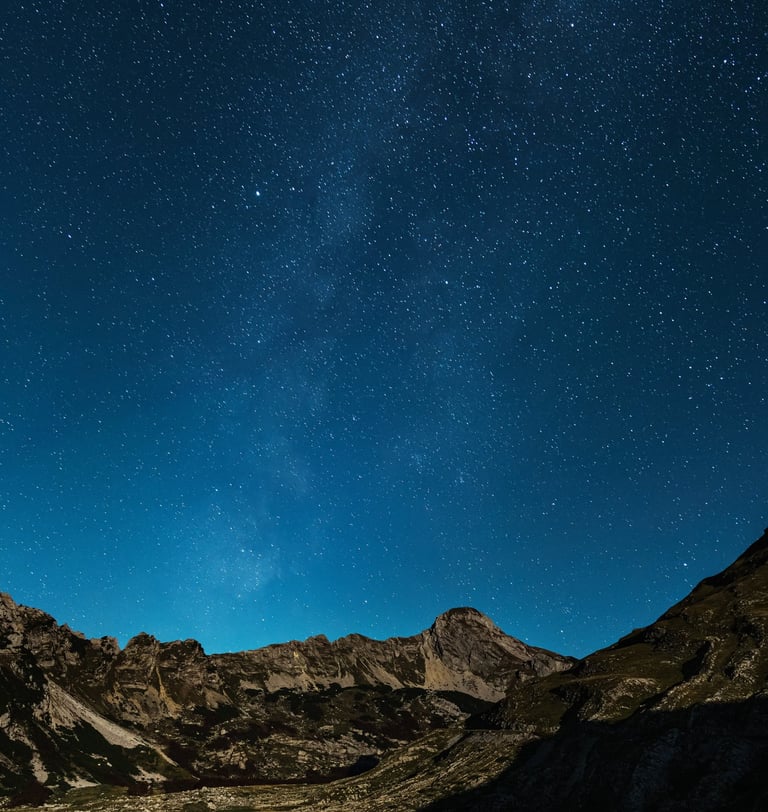
Europe really offers a surprising and enchanting destinations to indulge in the beautiful art of stargazing. Beyond its rich history, vibrant cultures, and iconic landmarks, the continent is home to some of the darkest skies on the planet—ideal for travelers seeking celestial wonders far from bright, urban areas.
Dark skies are crucial for astronomy enthusiasts and casual stargazers alike. Many parts of Europe, especially in rural, mountainous, and coastal regions, have been preserved or protected to minimize artificial light, creating perfect conditions to observe stars, planets, and the Milky Way.
So, we are giving you a list of lesser known locations to discover, that will enchant you with the clear views of the Europe's dark sky:
Sark, Channel Islands, UK:
Car-free island with no public lighting, designated as the world's first Dark Sky Island.
Sark is a premier stargazing destination because it was the world's first designated Dark Sky Island (2011), offering near-zero light pollution due to a total lack of streetlights and cars. Located in the Channel Islands, its strict lighting controls, rural landscape, and small population ensure exceptionally clear views of the Milky Way, constellations, and aurora.
Why Sark is a Top Stargazing Location:
World’s First Dark Sky Island: In 2011, Sark was recognized by the International Dark-Sky Association (now DarkSky International) for its commitment to preserving its natural night skies.
Zero Light Pollution: There are no streetlights or motor cars on the island, only tractors, bicycles, and horse-drawn carriages. This lack of artificial light creates an exceptionally dark environment where stars are visible to the horizon.
Protected Night Skies: Residents and businesses follow strict lighting guidelines, preventing light from spilling upward into the night sky.
Ideal Observing Conditions: The island provides unobstructed views of the cosmos, frequently revealing the Milky Way and stunning meteor showers.
The Sark Observatory: Run by the Sark Astronomy Society (SAstroS), the island features an observatory that hosts stargazing events and houses telescopes for visitors.
Expertly Ranked: A 2026 data-led study ranked Sark as the UK's fourth best location for stargazing, based on low cloud cover, minimal artificial light, and high visibility.
Transylvania, Romania:
One of Europe's last true wilderness regions
Transylvania is a top destination due to its extremely low light pollution, high-altitude vantage points in the Carpathian Mountains, and remote, untamed, beautiful wilderness. Situated at 45 degrees north, it offers clear views of northern hemisphere constellations, with rural areas and mountain locations like Bâlea Lake providing nearly crystal-clear skies for observing the Universe.
Reasons for Stargazing in Transylvania:
Minimal Light Pollution: Remote areas, especially in the Carpathian Mountains, are free from urban light, offering dark skies that make stars and the Milky Way exceptionally visible.
High-Altitude Locations: The Carpathian Mountains, particularly the Făgăraș Ridge (often called the "Alps of Transylvania"), provide elevated platforms, such as Bâlea Lake, allowing observers to get above lower atmospheric haze.
Ideal Geographic Position: Located midway between the Equator and the North Pole, Transylvania is perfect for spotting prominent constellations like Ursa Major, Draco, and Cassiopeia, as well as planets like Saturn.
Untamed Wilderness: Known as one of Europe's last true wilderness regions, it provides a tranquil atmosphere, often described as "the silence of the night," ideal for quiet observation.
Stargazing Infrastructure: Tours are available, such as those around Brașov, which offer guided sessions with telescopes to observe nebulae and star clusters. Popular spots for viewing include scenic, secluded locations like Bâlea Lake and surrounding glamping resorts.
Observatoire des Baronnies Provençales (Moydans), France:
An observatory situated in one of Europe's best-preserved regions from light pollution
The Observatoire des Baronnies Provençales (OBP) in Moydans is great choice for all star lovers and astronomy enthusiasts beacuse of it's location in a Regional Nature Park with almost zero light pollution, offering some of the purest night skies in Europe. It features high-quality, large-diameter telescopes for professional-level observation, astrophotography, and public education in an accessible, rural environment.
Here is why the Observatoire des Baronnies Provençales is an amazing stargazing place:
Exceptional Dark Skies: Located in the Baronnies Provençales Regional Nature Park, the area is officially recognized for its high-quality, unpolluted, and clear nights, making it a top spot for astronomy in France.
High-Quality Equipment: The observatory houses an impressive array of tools, including a 82 cm RC telescope, making it ideal for both visual observation and advanced astrophotography.
Expert Guidance: The site is run by professionals, such as astrophysicists, who provide expert guidance on using the instruments and explain complex astronomical concepts.
Accessible to All: It caters to everyone from beginner stargazers and families to experienced amateur astronomers.
"Astronomy Tourism": Visitors can not only observe but also stay at the observatory or nearby facilities, allowing them to fully immerse themselves in the dark-sky experience.
Saint-Véran in the Queyras Regional Nature Reserve, France:
Europe's highest town, located at an altitude of over 2,000 meters, offers one of the world's most beautiful stargazing experiences
Saint-Véran in the Queyras Regional Nature Reserve is amazing due to its high altitude (2,040m), exceptionally low light pollution, and over 150 clear nights per year.
As Europe's highest village, it offers nearly transparent skies and hosts the top-tier Château-Renard Observatory at 2,936m.
Why Saint-Véran is so great:
Extreme Altitude & Purity: Perched at 2,040m (village) and 2,936m (observatory), the area minimizes atmospheric distortion. This "seeing" quality is recognized as one of the best in the world, allowing for incredible astronomical clarity.
Minimal Light Pollution: Located within a protected regional nature park, the region provides intensely dark skies, offering spectacular views of the Milky Way.
The Chateau-Renard Observatory: One of the few sites allowing tourists to spend a night observing the sky with professional-level telescopes at nearly 3,000 meters altitude.
Maison du Soleil (House of the Sun): Dedicated to astronomy, this center offers educational workshops and nighttime observations, making it accessible to families and amateurs.
High Number of Clear Nights: Saint-Véran boasts roughly 150 clear nights per year, which is significantly higher than other famous mountainous areas like the Pic du Midi.
High-Altitude Observation: The combination of low humidity, dry air, and high altitude provides the perfect conditions for viewing galaxies and nebulae.
Rozhen National Astronomical Observatory (NAO Rozhen),Bulgaria:
Principal center for astronomical research in Bulgaria with some of the darkest skies in the region
NAO Rozhen in Bulgaria is the largest astronomical complex in Southeast Europe, offering exceptional dark skies at a 1,750-meter altitude in the Rhodope Mountains.
With over 35–40% clear night skies annually and low light pollution, it hosts advanced telescopes for both professional research and public observation.
Why NAO Rozhen is Outstanding for Stargazing in Europe:
Ideal Location: Situated on Mount Holy Spirit, the 1,750m altitude offers pristine, clean air and minimal light pollution compared to coastal or urban areas.
Optimal Climate: The region provides a high number of clear nights per year, maximizing the opportunity for viewing celestial phenomena.
Extensive Visibility: The latitude of 41° 41.5′ N allows for observation of more than 80% of the celestial sphere.
Advanced Equipment: It is equipped with a 2-meter Ritchey-Chretien telescope—one of the largest in Europe upon construction—along with 50/70-cm Schmidt and 60-cm Ritchey-Chretien telescopes, allowing for deep space viewing, including quasars, star clusters, and nebulae.
Recent Upgrades: In 2023, a modern 1.5-meter robotic telescope was added, expanding the observatory's research and monitoring capabilities.
Visitor Access: The observatory includes a visitor center with a 18-cm demonstration telescope for public lectures, museum tours, and guided observations from March to October.
Lakatnik (Iskar River Gorge) Bulgaria:
Located along the Iskar river, suggested as a great place for camping and stargazing away from Sofia's light pollution
Lakatnik Rocks in the Iskar River Gorge is located on a high-altitude vantage point (250m+ cliffs), minimal light pollution near Sofia (50km), making it an easy escape. The open, rocky plateau above the Gorge offers panoramic night skies and a quiet environment for astronomical observation. Located within the Balkan Mountain Range, it is far enough from city lights to provide a clear view of the milky way and constellations.
What makes it so great:
High Vantage Point: The 250-meter-high, vertical limestone cliffs offer an unobstructed horizon.
Easy Accessibility: Located near a train stop and accessible via hiking trails, it is convenient for a night trip.
Atmosphere: The area is serene and secluded, enhancing the experience of watching the night sky.
Belogradchik Rocks & Fortress, Bulgaria:
Unique natural phenomenon in northwest Bulgaria offers rock formations that have been sculpted over millions of years
The Belogradchik Rocks and Fortress in Bulgaria offer great stargazing because of their location in a designated Dark Sky Park with minimal light pollution, providing exceptionally clear views of the night sky.
The area features dramatic 200-million-year-old red sandstone formations that offer a stunning, surreal backdrop, along with an on-site Astronomical Observatory equipped with telescopes for viewing planets, nebulae, and galaxies.
Reasons for Exceptional Stargazing experience:
Low Light Pollution: Located in Northwestern Bulgaria far from large cities, the area is recognized for its dark skies, making it ideal for astronomy enthusiasts and astrophotography.
The Astronomical Observatory: Located just 100 meters from the Belogradchik Fortress, the facility allows visitors to observe the Moon, Saturn, Jupiter, Venus, and other celestial bodies through professional equipment.
Atmospheric Surroundings: The towering (up to 200m) red rock formations integrated with the ancient Kaleto Fortress create a unique, dramatic atmosphere.
Stargazing Opportunities: Visitors can experience guided night tours, and high vantage points within the fortress offer spectacular, unobstructed views of the night sky.
Biokovo Nature Park, Croatia:
Where the Dinaric mountains meet the Adriatic sea
Biokovo Nature Park in Croatia is located on high altitude (up to 1,762 meters)with very low light pollution, offering unobstructed views of the night sky above the beautiful Adriatic Sea.
The park's remote, elevated locations—especially near the 1,228-meter Skywalk—provide exceptionally clear, dark nights, making it a premier spot for astronomy, especially after the coastal light pollution is left behind.
Why Biokovo is Excellent for Stargazing:
Extreme Dark Skies: The park is far enough from the light pollution of the Makarska Riviera and coastal cities, resulting in very low artificial light levels.
High Altitude Vantage Points: With peaks like Sv. Jure (1,762 m) and Ravna Vlaška (1,228 m), observers are often above lower-level haze or coastal mist.
Panoramic Visibility: The coastal mountains offer a 360-degree view, allowing for a clear view of the horizon and constellations
Minimal Atmospheric Distortion: The crisp, clean air of the Dinaric Alps makes for stable, clear viewing conditions, which are ideal for spotting celestial bodies, according to Aminess Hotels & Campsites.
Tips for Stargazing in Biokovo:
Book Ahead: Entry requires online booking via the Biokovo Nature Park official website.
Prepare for Driving: The Biokovo road is narrow, steep, and winding; it is best suited for experienced drivers, especially at night.
Best Time: The air is often clearest after a strong bura (north wind) in the winter, or during the summer when coastal haze is minimal.
Gacko polje (Gacka Valley), Croatia:
Area surrounded by valleys and woods offers an ideal view of the night sky
Gacko Polje (Gacka Valley) is truly magical place, on an high-altitude inland location in Lika, with crisp, clean air. Surrounded by the Velebit and Kapela mountains, this rural, sparsely populated karst valley offers a serene environment and dramatic, unobstructed views of the Milky Way.
Why Gacko Polje is Perfect for watching the stars:
Extremely Low Light Pollution: As a rural, unpolluted valley, Gacka offers some of the darkest skies in Croatia, crucial for viewing faint stars and the Milky Way.
Geographical Location: Situated in the Lika region, the valley is protected by surrounding mountains (Velebit on the coast side, Kapela in land), which block light from coastal cities, preserving the dark sky.
Ideal Atmosphere: The area is known for clean air and a healthy climate, reducing haze and providing clearer visibility for astronomical observation.
Serene Environment: The area around the Gacka River and its springs (like Majerovo vrilo) is natural and quiet, offering a peaceful setting for night observation.
Cooler Temperatures: Located near Otočac, the region is up to 10 degrees cooler than the coast in summer, offering pleasant nights and crisp, stable air for stargazing.
Mandø (Jutland), Denmark:
Small island in the Wadden, recent addition to Denmark's Dark Sky Parks (certified in 2024) offers natural darkness and is important as a wildlife habitat.
Mandø is a certified International Dark Sky Park (certified in 2024), featuring almost zero light pollution, pristine, and extremely dark nights in the middle of the UNESCO World Heritage Wadden Sea. With only 25 streetlights that turn off at night, the island offers unobstructed, panoramic views of the Milky Way and constellations.
Why Mandø is a Premier Stargazing Spot:
Certified Dark Sky Park: Mandø is officially recognized by DarkSky International for its dark sky preservation, making it one of the few places in Denmark where the night sky remains undisturbed by artificial light.
Negligible Light Pollution: With a tiny population and isolated location, the island allows you to see roughly 3,500 stars, including the Milky Way and stunning celestial phenomena, far clearer than on the mainland.
Proactive Environmental Stewardship: The community has taken active steps to protect the dark environment, including retrofitting streetlights and ensuring the, often referred to as "pitch darkness," is preserved for both humans and wildlife.
Secluded Accessibility: Accessing the island, often by tractor-bus during low tide, ensures a tranquil atmosphere removed from city noise and light.
Unique Wadden Sea Horizon: The flat, open landscape allows the starry sky to merge with the North Sea horizon, providing a unique, unobstructed, 360-degree view.
Best Times and Tips for Visiting:
Best Seasons: Autumn and winter are considered optimal due to long, truly dark nights.
Best Time of Month: Aim for times around the new moon for the darkest skies.
Practical Info: Check DMI (Danish Meteorological Institute) for tide tables before traveling, and use red light to preserve your night vision.
Brorfelde Observatory (Zealand), Denmark:
Observatory with 40 hectares of surrounding land are protected for their deep natural darkness.
Brorfelde Observatory is a great stargazing spot due to its exceptionally dark, protected sky (40 hectares of it), high elevation in the "Zealand Alps," and historical status as a premier research hub with minimal artificial light. It houses Denmark’s largest professional telescope, the Schmidt telescope, and features interactive astronomy experiences.
Why Brorfelde is Ideal for astronomy lovers:
Dark Sky Preservation: The 40-hectare area surrounding the observatory is designated as a protected landscape, preventing future light pollution and ensuring an uninterrupted view of the night sky.
Ideal Location: Situated south of Holbæk, the observatory is far from city lights (especially Copenhagen's light pollution), providing a brilliant view of the stars.
High Elevation: Located on a natural Ice Age ridge (often called the "Zealand Alps"), the observatory offers a high, clear vantage point.
Denmark’s Largest Telescope (Discovery): The facility houses the 50/77-cm-Schmidt telescope, which is still active, has been used to discover over 100 asteroids, and is open to the public for viewing.
Unique Stargazing Amenities: Visitors can enjoy stargazing from specially designed open-air hammocks or stay overnight in designated, modern shelters with glass roofs.
Scientific Heritage: Established in the 1950s, the site served as a key branch of the Copenhagen University Observatory and was renowned for building world-class instruments.
Lake Võrtsjärv, Estonia:
Estonia's largest lake in the south with open, dark skies over the water, especially good for aurora.
Lake Võrtsjärv is a prime star watching spot. It is located in a rural area with low levels of artificial light, with large open horizons, and calm, reflective waters. Located in South Estonia, the lake provides excellent visibility of the night sky, far from dense urban light, particularly suitable for observing deep sky objects and celestial events.
What makes Lake Võrtsjärv is Great for Stargazing:
Minimal Light Pollution: Situated in one of Europe's least crowded and greenest countries, the area around Lake Võrtsjärv offers pristine, dark skies, ideal for seeing faint stars and the Milky Way.
Expansive Horizons: Being Estonia's largest lake within its borders, its large, open, and mostly flat, agricultural surroundings offer an unobstructed view of the horizon.
Serene Atmosphere: The calm, reflective surface of the shallow lake provides a dramatic, still backdrop for observing the night sky, often used for quiet nature observation and astronomy.
Proximity to Astronomy Hubs: The area is relatively close to the Tõravere Observatory and its, telescopes.
Seasonal Advantage: The lake is covered with ice for about 130 days, from late November to April, allowing for stable, elevated viewing platforms over the winter.
Viivikonna (near Narva). Estonia:
A former mining town, it's remote and offers very dark skies, though it's a unique, desolate spot
Viivikonna is so cool because it is an abandoned ghost town. With the collapse of its mining industry, the area has very low light pollution, making it an ideal spot to witness dark, clear night skies. Nature has taken over, providing a quiet, remote environment suitable for observing stars and the Milky Way without urban interference.
Why it's so cool:
Extremely Low Light Pollution: As an abandoned settlement in Ida-Viru County, Viivikonna has almost no artificial lighting, creating a perfect dark-sky environment.
Accessible Solitude: Despite being a "ghost town" with decayed, empty buildings, it is situated within 30-40 minutes of the urban area of Narva, making it an easily accessible "hidden gem".
Dark Tourism Spot: It is popular among enthusiasts looking for "off-the-beaten-track" experiences, offering, along with dark skies, a surreal landscape of "broken dreams of modernity".
Natural Surroundings: Nature has largely reclaimed the town, and its location far from the capital Tallinn ensures that stargazing is not hindered by city light.
Borgarfjörður, Iceland:
A wide, dark fjord ideal for aurora viewing.
Borgarfjörður is exceptional due to its minimal levels of any artificial lighting, high latitude near the Arctic Circle, and remote, dark nights between October and March. The region's vast, sparse landscapes provide crystal-clear sky visibility, often allowing spectators to see the Milky Way and Northern Lights, especially in the dark winter months.
Why Borgarfjörður is a Top Spot:
Extreme Low Light Pollution: As a quiet area away from large urban centers, Borgarfjörður offers profoundly dark skies necessary for observing faint stars, nebulae, and the Milky Way.
Optimal Arctic Latitude: Located in East Iceland, it sits at a high latitude that enhances the visibility of the Northern Lights (aurora borealis).
Clear Nights: The region, particularly around Bakkagerdi, offers clear, stable conditions away from coastal fog, providing high-probability opportunities to witness the aurora from September to April.
Dramatic Scenery for Photography: The landscape, characterized by dramatic fjords, volcanic rock, and mountains, offers a stunning, natural frame for nighttime photography.
Raufarholshellir Lava Cave Area, Iceland:
Quiet spots near this cave offer darker skies along the South Coast.
A magical place located just 30 minutes from Reykjavík, offering very low light pollution, dark skies, and dramatic volcanic scenery. The area provides unobstructed views of the night sky, frequently featuring the Northern Lights in winter.
Why it's so amazing:
Dark sky: Located near the Bláfjöll Mountain Range, the area is distant enough from city lights to provide a dark, clear environment suitable for viewing stars and Aurora.
Stunning Landscape: The landscape is dotted with 5,000-year-old lava fields, creating a dramatic, ethereal backdrop for photography and observation.
Accessible Location: Only 30 minutes from Reykjavik, it offers easy access to near-total darkness without requiring a long, arduous journey.
Winter Conditions: During winter, the area often has snow, which enhances the visibility of the Northern Lights and offers unique photography opportunities.
Optional Cave Experience: While the stargazing is done above ground, visitors can combine this with a daytime or early evening Raufarholshellir lava cave tour to see ice formations and natural skylights, as mentioned on Guide to Iceland and Arctic Adventures.
Lake Kleifarvatn & Seltún, Iceland:
Geothermal area near Reykjavík with dark skies.
Lake Kleifarvatn and the Seltún geothermal area in Iceland are wonderful stargazing and Aurora Borealis spots due dark skies wuth dramatic volcanic landscapes, and close proximity to Reykjavik. Situated on the Reykjanes Peninsula, the area offers vast, open views, and, in winter, the potential to see the northern lights reflected over the deep, quiet lake.
Why Lake Kleifarvatn & Seltún are Ideal for Stargazing and astro tourism:
Extremely Low Light Pollution: Located on the Reykjanes Peninsula, these sites offer nearly pitch-black surroundings, essential for viewing the Milky Way and Aurora.
Unique Volcanic Backdrop: The area features dramatic,, moody volcanic scenery, including the vibrant, steaming geothermal features of Seltún and the dark waters of Lake Kleifarvatn, which add a stunning,, otherworldly, and "lonely" atmosphere to photos.
Proximity to Reykjavík: Located only 35-45 minutes from the capital, they are easily accessible for a short evening trip.
Dark Sky Aurora Viewing: Because Iceland sits under the northern auroral oval, these dark, undeveloped areas offer a high chance of spotting the Northern Lights.
Year-Round Accessibility: While winter offers long nights, the area is accessible year-round, with dramatic scenery in every season.
Tips for Stargazing & Photography:
Plan Around the New Moon: Visit during the new moon to minimize natural light interference, allowing for the best viewing.
Check Conditions: Clear skies are necessary, so check the weather forecast before traveling.
Safety: The Seltún geothermal area has well-maintained paths, but stay on them as the geothermal water is very hot.
Atmosphere: The area is famously quiet, offering a "secluded," true, "alone in the world" experience.
Connemara (Co. Galway), Inishturk Island (Co. Mayo) and Ceide Coast (North Mayo), Ireland:
Less crowded and more wild spots with incredibly dark skies.
Connemara, Inishturk Island, and the Ceide Coast are premier offer some of Europe's darkest skies, and a clear, unobstructed horizon over the Atlantic Ocean. These regions, particularly the Mayo Dark Sky Park, provide pristine conditions for viewing the Milky Way, constellations, and aurora borealis.
Reasons for one of the best Stargazing experiences here:
Very low Light Pollution: These areas are far from major cities, ensuring the night sky is incredibly dark and allowing for the visibility of over 4,000 stars, planets, and meteors with the naked eye.
Mayo International Dark Sky Park: Located along the North Mayo/Ceide Coast, this area boasts "gold tier" accreditation, offering 15,000 hectares of protected, dark, and wild landscapes within the Wild Nephin National Park.
Unspoiled Coastal Views (Inishturk & Connemara): Inishturk Island is almost entirely free of light pollution. Connemara’s rugged, remote terrain offers expansive, clear views of the heavens, making it one of the darkest places in Ireland.
Northern Lights Opportunities: Their northerly, coastal position on the Atlantic edge makes them prime locations to spot the aurora borealis during active periods.
Optimal Timing: The best stargazing is from November to April, often with reduced cloud cover on the Atlantic coast, particularly around the new moon.
Inisheer (Aran Islands, Co. Galway), Ireland:
A small island with minimal light pollution
Inisheer (Inis Oírr) provides incredibly clear, dark sky over the Galway Bay. As the smallest of the Aran Islands, its minimal artificial lighting allows the Milky Way and thousands of stars to be visible to the naked eye.
Top features:
Very dark: Located far from mainland city lights, the island offers near-pristine darkness.
Clear Horizons: The vast, open Atlantic Ocean creates an uninterrupted, panoramic view of the night sky.
Accessible Darkness: Despite its remote feel, it is accessible, allowing for night-time viewing of the Milky Way and constellations.
Dark Sky Region: The region, including nearby Connemara, is recognized for having some of Ireland's darkest skies.
On a clear night, visitors to Inisheer can see the Milky Way, meteor showers, and potentially the Andromeda Galaxy, 2.5 million light-years away.
Conclusion:
In a world increasingly dominated by artificial light sources and too many digital distractions, seeking out Europe’s dark skies invites a rare moment of reflection. It’s a very honest reminder of our place in the Universe and the timeless beauty that unfolds above us when we look up at the skies.
Finding such spots, where the nights are amazingly dark, is not easy at all. The cities are getting more and more bright, and stars less visible. And that is why we hope this guide will be of use to anyone who feels the true need to take a blanket, and lay in the field under clear, starry sky - and just enjoy the most beautiful views.
Do you want to know Best ways to find dark areas for stargazing in Europe ?
Contact
Questions or tips? Reach out anytime:
SUBSCRIBE:
© 2025. Stargazing Europe All rights reserved.
Find best locations for stargazing and best spots for dark sky views:
Home
About
Blog
Locations