Best ways to find dark areas for stargazing in Europe
Read our short, practical guide that will give you some useful tips
3/31/20262 min read
Ways to find dark areas for undisturbed stargazing in Europe
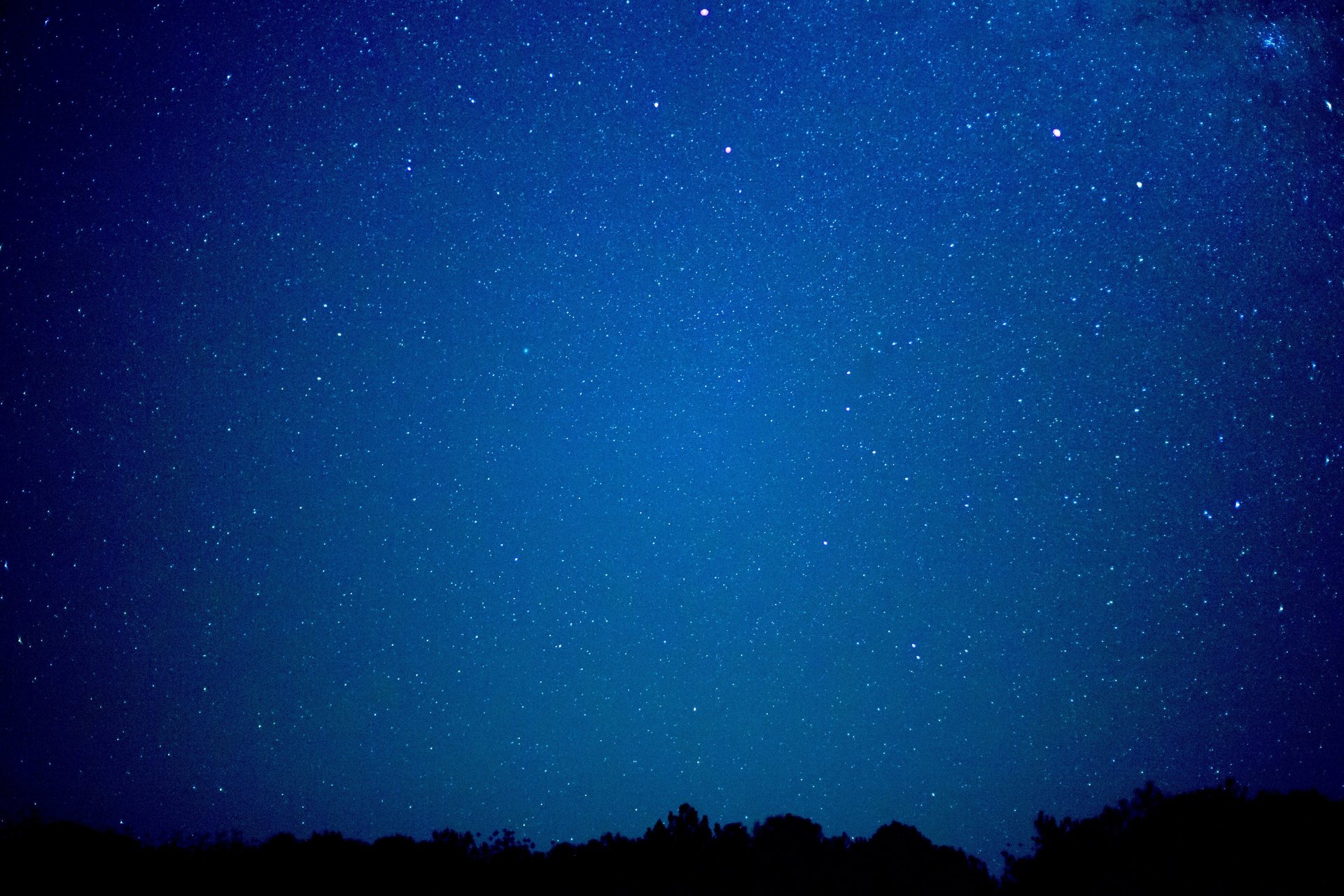
If you want to experience truly impressive skies with more stars, stronger Milky Way contrast, and better long-exposure photos, the biggest upgrade isn’t a new telescope, it’s a darker location. And in this article we will lay out a short guide that includes some practical ways to find spots with minimal artificial light - plus what to check before you commit to a late night drive.
Use online light pollution maps
Online light pollution maps are the quickest way to narrow down dark areas. They typically visualize brightness using colors; look for blue/grey/black zones - these usually indicate low light levels and lower Bortle scale ratings.
Once you find a promising area, zoom in and cross-check it with satellite view or a road map to confirm access roads, parking, and whether the area is actually open at night.
Location strategies that reliably get you darker skies
Get away from cities: just aim for areas 50–150 km from major cities. Light travels far, so even small changes in distance can make a noticeable difference—especially if you’re leaving a large urban region.
Use natural barriers: Mountains, ridgelines, and large wilderness areas can block or reduce the light pollution from the urban areas. A great trick is to position yourself on the far side of a mountain range relative to the nearest city, using the terrain as a form of a “light shield.”
Search for protected areas: National parks, state/regional parks, and designated wilderness areas often have darker skies simply because they limit development and lighting. Many are publicly accessible, and some have official stargazing viewpoints or “dark sky” status.
Check private land (with permission): Some of the darkest, most secluded locations are on farms, rural campsites, guesthouses, or private fields. If you get permission from the landowner, you can avoid crowds and nearby lights —just agree on where to park, where not to walk, and when to leave.
What to look for beyond the map
A dark zone on a map can still disappoint if the horizon is blocked or there are nearby lights that reduce the view of starry skies. Before you settle on a spot, check these:
Unobstructed horizon: Prioritize wide-open spaces (plains, coastlines, elevated viewpoints) with a clear view of the sky. For many targets—and especially if you’re hoping to catch the Milky Way core in season—having a clear view toward the south / southwest is often ideal from most of Europe.
Daytime reconnaissance: Visit in daylight first. You’ll spot issues that are hard to see at night: uneven ground, gates, signage, cliffs, livestock, muddy tracks, and “hidden” light sources like motion-activated lamps, roadside LEDs, or nearby facilities.
Use the Bortle Scale to set expectations
The Bortle Scale is a simple way to describe sky darkness from Bortle 1 (pristine) to Bortle 9 (inner-city bright). Light pollution maps often correlate their colors to approximate Bortle levels. In practice:
Lower Bortle number = darker sky = more stars visible
Even moving from a Bortle 6 suburb to a Bortle 4 rural site can feel like a huge jump
Combine the map’s darkness rating with smart location choices (distance, terrain shielding, protected areas) and on-the-ground checks (horizon, safety, hidden lights), and you’ll consistently find great stargazing spots for watching the skies full of stars, spotting the Milky Way and enjoying meteor showers.
Best star observatories in Europe
Contact
Questions or tips? Reach out anytime:
SUBSCRIBE:
© 2025. Stargazing Europe All rights reserved.
Find best locations for stargazing and best spots for dark sky views:
Home
About
Blog
Locations