Dark Sky Parks: What They Are and Why They Matter
5/1/20263 min read
Dark Sky Parks in Europe: What They Are and Why They Matter
If you’ve ever found yourself gazing up at a night sky washed out by city lights, you know how hard it can be to see the stars, our galaxy or planets and all other celestial wonders.
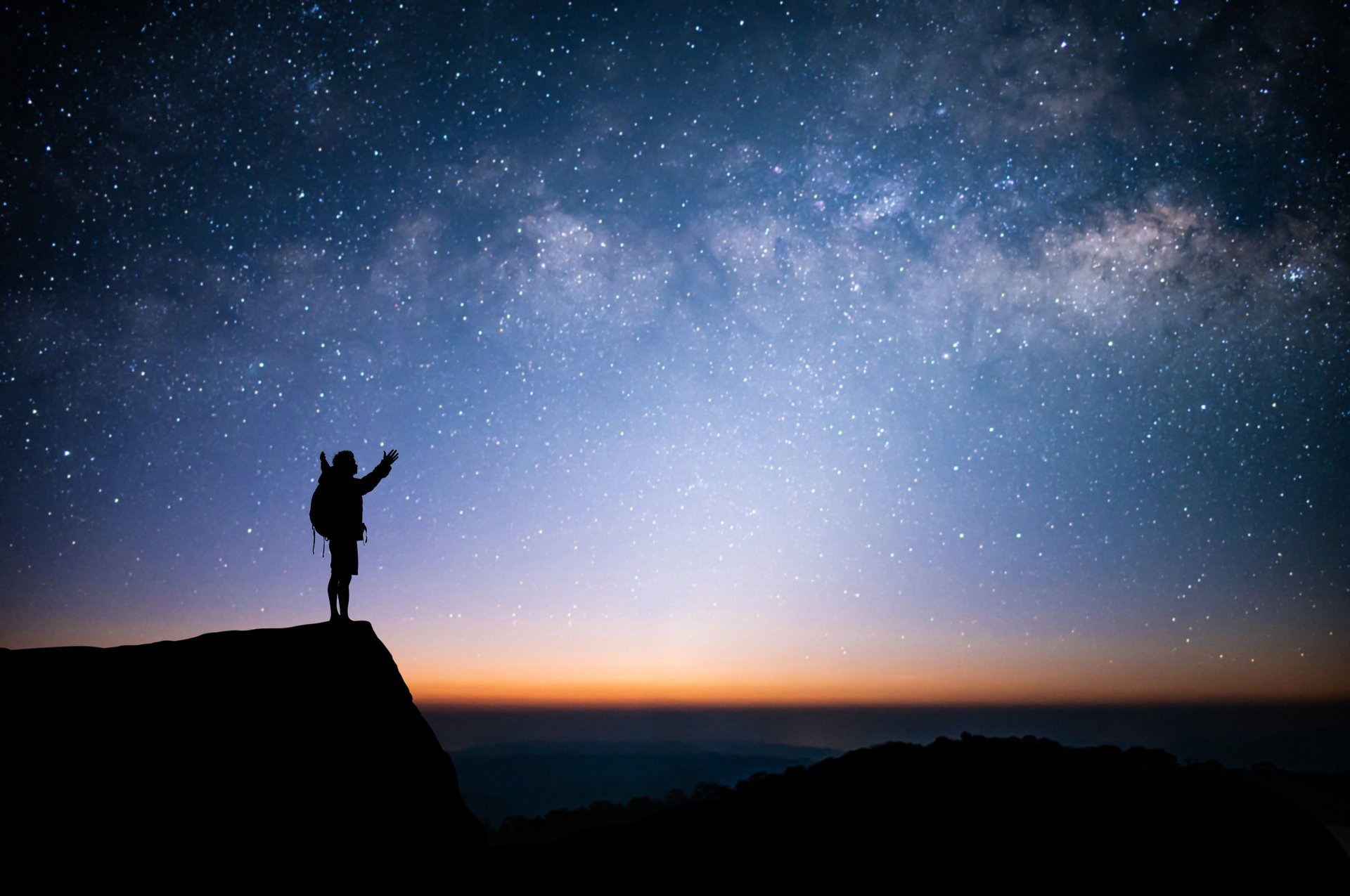
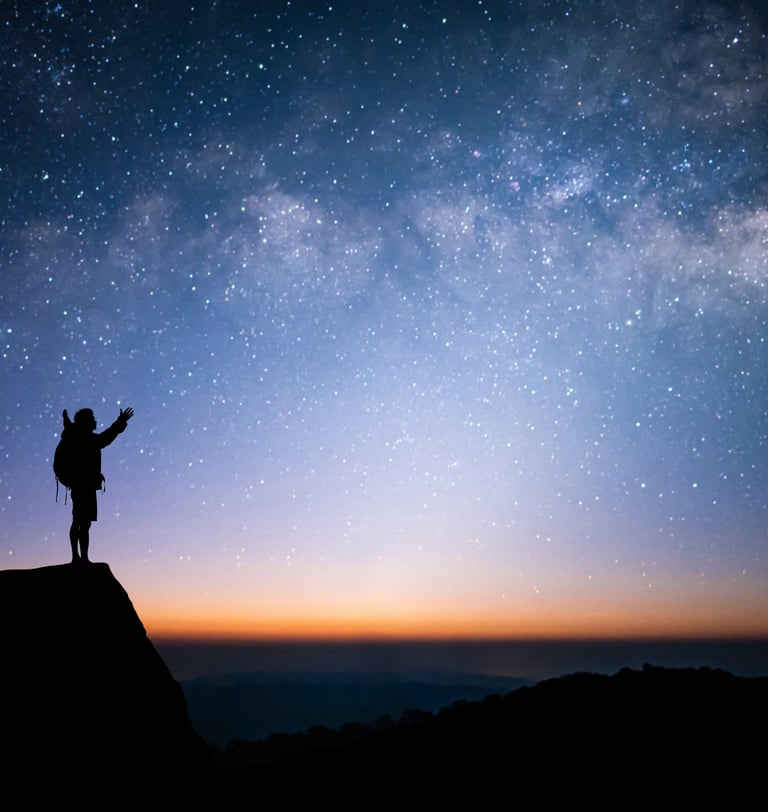
So imagine stepping into a place so free from light pollution that the Milky Way spills across the sky in brilliant clarity.
These magical spots exist across Europe, and they’re called Dark Sky Parks. In this post, we’ll explore what makes these parks special, why they matter, and how you can experience some of the best celestial views this continent has to offer.
What is light pollution?
Light pollution is the excessive or inappropriate human-made artificial light at night, which alters natural light levels. It commonly manifests as skyglow (bright haze over cities), light trespass (unwanted light entering properties), glare (blinding brightness), and clutter (excessive bright groupings).
Key Aspects of Light Pollution:
Causes: Primarily caused by unshielded outdoor lighting, streetlights, commercial advertising, and sports stadiums emitting light upwards or sideways.
Environmental Impact: It disrupts ecosystems by affecting nocturnal animal navigation, such as migratory birds, newly hatched sea turtles, and insects.
Health and Safety: It disrupts human sleep patterns, poses risks to safety, and can create dangerous, disorienting glare.
Energy Waste: A significant portion of outdoor lighting is wasted.
Astronomy: It obscures the view of the night sky, with a 2016 study showing that 77% of the UK cannot see the Milky Way.
Types of light pollution include:
Skyglow: The bright, orange haze over populated areas.
Light Trespass: Light that shines where it is not wanted or needed.
Glare: Extreme brightness that causes visual discomfort.
Clutter: Bright, confusing, and excessive groupings of lights
What Are Dark Sky Parks?
Dark Sky Parks are protected areas recognized for their exceptional quality of starry nights and a nocturnal environment that is preserved from artificial light pollution. Managed carefully to maintain dark skies, these parks offer a unique opportunity to reconnect with the cosmos in a way that’s increasingly rare in our brightly lit world.
The International Dark-Sky Association (IDA) is the leading global organization that certifies Dark Sky Parks, ensuring they meet strict standards for darkness, natural night environment, and responsible lighting.
Europe, with its rich blend of wilderness, historic sites, and rural landscapes, hosts several of these spectacular parks, each offering a front-row seat to the wonders of the night sky.
Why Do Dark Sky Parks Matter?
Beyond the amazing views, Dark Sky Parks also play a critical role in protecting our environment and cultural heritage. Here are a few reasons they are so important:
Preserving Biodiversity:
Many nocturnal animals depend on natural darkness for their survival. Light pollution disrupts their natural behaviors, from hunting to mating. Dark Sky Parks help safeguard these delicate ecosystems.
Human Health and Well-being:
Exposure to artificial light at night can interfere with our circadian rhythms, affecting sleep and overall health. Experiencing true darkness can be restorative and grounding.
Cultural and Scientific Value:
The stars have inspired myths, stories, and scientific discoveries throughout history. Dark Sky Parks offer a living connection to this important heritage and are perfect sites for astronomy and education.
Tourism and Local Economy:
Astrotourism is growing, attracting visitors who want to escape urban light haze and explore the night sky. This creates opportunities for local communities to develop sustainable tourism focused on nature and science.
Notable Dark Sky Parks in Europe
Europe is dotted with some beautiful Dark Sky Parks, each with its unique charm. Here are a few highlights:
Galloway Forest Park, Scotland:
Known as Europe’s first Dark Sky Park, it boasts some of the darkest skies on the continent, perfect for stargazing and astrophotography.
Mont-Mégantic, France:
Nestled in the French Alps, this park combines rugged mountain landscapes with a commitment to preserving night skies.
Parque Natural de las Sierras de Cazorla, Spain:
A vast natural park with clear skies and exceptional biodiversity, ideal for night sky lovers.
Eifel National Park, Germany:
This park features well-preserved forests and offers events and guided tours focused on astronomy.
How to Experience a Dark Sky Park
Visiting a Dark Sky Park is about more than just looking up. Here are some tips to make the most of your visit:
Choose a moonless night:
The new moon phase offers the darkest skies and best star visibility.
Bring the right gear:
A comfortable chair, warm clothes, and a star chart or app can enhance your experience (although not mandatory).
Respect the environment:
Use red light flashlights to preserve night vision and avoid disturbing wildlife. (This is very important part).
Join guided events:
Many parks offer astronomy talks, night walks, and telescope viewings—great ways to deepen your appreciation.
Final Thoughts
Dark Sky Parks in Europe invite us to slow down, look up, and rediscover the night as it once was—a vast, sparkling canvas full of wonder. Full of starlight and magic.
In a world increasingly illuminated by artificial lights, these parks are precious refuges for nature, science, and soul.
These places are important and precious for so many reasons, and on many levels. Visiting one of these will not only help in preserving the dark skies, but also offer you a truly magical experience.
Next time we’ll dive into some must-have apps and gadgets to enhance your stargazing adventures.
Happy stargazing and clear skies.
Contact
Questions or tips? Reach out anytime:
SUBSCRIBE:
© 2025. Stargazing Europe All rights reserved.
Find best locations for stargazing and best spots for dark sky views:
Home
About
Blog
Locations