Protected Dark Skies of Europe
A guide to the magic of the night sky, packed with info for all you astronomy fans and star lovers.
3/18/20263 min read
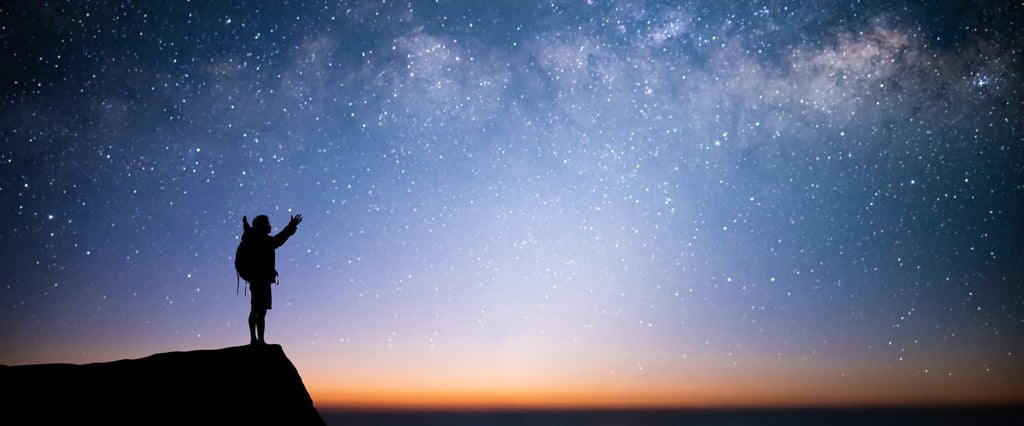
Why does dark sky matter?
Stargazing is one of the most exceptional experiences you can have. It is special on thousand levels. It is free, magical, wonderful, easy to do, fun, calming - you name it.
A beautiful hobby loved by so many people.
But, as with many things in our modern world, technology is showing it's dark sides - instead of showing us the dark skies.
Bright city lights, car lights, infrastructures - they all create light pollution that makes stars, galaxies and planets less visible to us from Earth, especially if you try looking at the Universe in, or near a bigger city.
However, Europe has some wonderful things to offer with some of the darkest stargazing spots in the world.
Europe's dark skies are protected through a combination of EU-wide initiatives, national legislation, and local dark sky certifications.
These stargazing spots are designated areas, including International Dark Sky Parks, Reserves, and Sanctuaries, designed to combat light pollution and preserve the night environment.
These efforts aim to mitigate the environmental impact of artificial light on ecosystems and human health, restoring natural nightscapes.
Where to find stargazing locations with protected dark sky?
Canary Islands, Spain - The island of La Palma:
La Palma's "Law of the Heavens," enacted in 1988, is pioneering Spanish legislation protecting its exceptionally dark night sky for astrophysical research and public enjoyment by controlling light, atmospheric, and radio pollution, regulating flights, and ensuring unpolluted views for residents and visitors.
Northumberland National Park, UK:
This is the largest protected "Dark Sky Park" in Europe, with low light pollution levels.
Northumberland National Park doesn't have a single "dark sky law" but enforces strict lighting controls through its planning process as part of its International Dark Sky Park (IDSP) status (Gold Tier) awarded by the IDA, working with developers to ensure lighting is downward-facing, low-wattage, and appropriate, using a Good Practice Guide to protect its pristine dark skies for stargazing, making it the darkest place in England for celestial viewing.
Kerry International Dark-Sky Reserve, Ireland:
It also doesn't have one single "dark sky law," but its Gold Tier status, granted by the International Dark-Sky Association (IDA) darksky.org/news/first-international-dark-sky-reserve-named-in-ireland/ (IDA), relies on local commitment to light pollution reduction, with towns adopting "dark sky friendly" lighting and the Kerry County Council replacing public lights with shielded, warmer-toned fixtures to protect its stunning night skies for tourism and wildlife.
Hortobágy National Park, Hungary:
Hortobágy National Park, an International Dark Sky Park enforces strict lighting regulations within its Dark Sky Park area (the "Starry Sky Park") through its management plan, requiring fully shielded fixtures (no light above horizontal), color temps below 3000K, limited lumens, and using motion sensors/timers to protect its pristine night environment for biodiversity, especially birds, with local cooperation for broader control.
Eifel National Park, Germany:
Eifel National Park is Germany's first International Dark Sky Park, designated by the International Dark-Sky Association (IDA) for protecting its dark night skies, which means strict rules exist to minimize light pollution, benefiting nocturnal wildlife and allowing stunning views of stars like the Milky Way.
These efforts involve neighboring communities adopting lighting guidelines (like fully shaded lamps below 4,500 lumens) and creating a planned buffer zone for a future Dark Sky Reserve, supported by educational programs at the Vogelsang IP Observatory.
Galloway Forest Park, Scotland:
Galloway Forest Park operates under strict light pollution controls as the UK's first International Dark Sky Park (designated 2009). This means a policy of minimal, shielded, warm-toned lighting, no permanent illumination in key areas, and active management to preserve natural darkness.
Dark Sky Principles in Action:
No Permanent Lights: About 20% of the park has a strict "no permanent illumination" policy.
Shielded Fixtures: Any necessary lighting (like at visitor centers) uses fully shielded fixtures, directing light downwards, not up into the sky.
Warm-Toned Lights: Approved fixtures use warm-toned (3000K and lower) or amber LED lights to minimize blue light pollution.
Ranger-Led Programs: Dark Sky Rangers offer tours and events to educate visitors on the night sky and conservation
Strict Standards: The designation requires active promotion, better-than-usual dark sky standards for lighting, and outreach.
Naturpark Attersee-Traunsee, Austria:
Naturpark Attersee-Traunsee is Austria's first International Dark Sky Park, designated by DarkSky International for its exceptionally dark skies, requiring minimal light pollution through shielded, warm-colored lighting, and encouraging dimmed or off lights at night, with specific rules for visitors on trails and parking to preserve this environment, all part of a broader effort to protect night skies across protected areas.
Key Aspects of the Dark Sky Designation:
Official Status: Designated as an International Dark Sky Park (IDSP) by DarkSky International (IDA) in 2021.
Protected Area: Covers about 77 sq km between Attersee and Traunsee lakes and is known for some of continental Europe's darkest skies.
Light Pollution Control: The core aim is to minimize artificial light pollution through guidelines like shielding light sources, using warm-white light (under 3000K), and dimming or turning off lights at night.
Going stargazing?
Contact
Questions or tips? Reach out anytime:
SUBSCRIBE:
© 2025. Stargazing Europe All rights reserved.
Find best locations for stargazing and best spots for dark sky views:
Home
About
Blog
Locations