Under the Starry Sky: General tips for Stargazing in Europe
Find out quick tips for best stargazing experiences
3/18/20262 min read
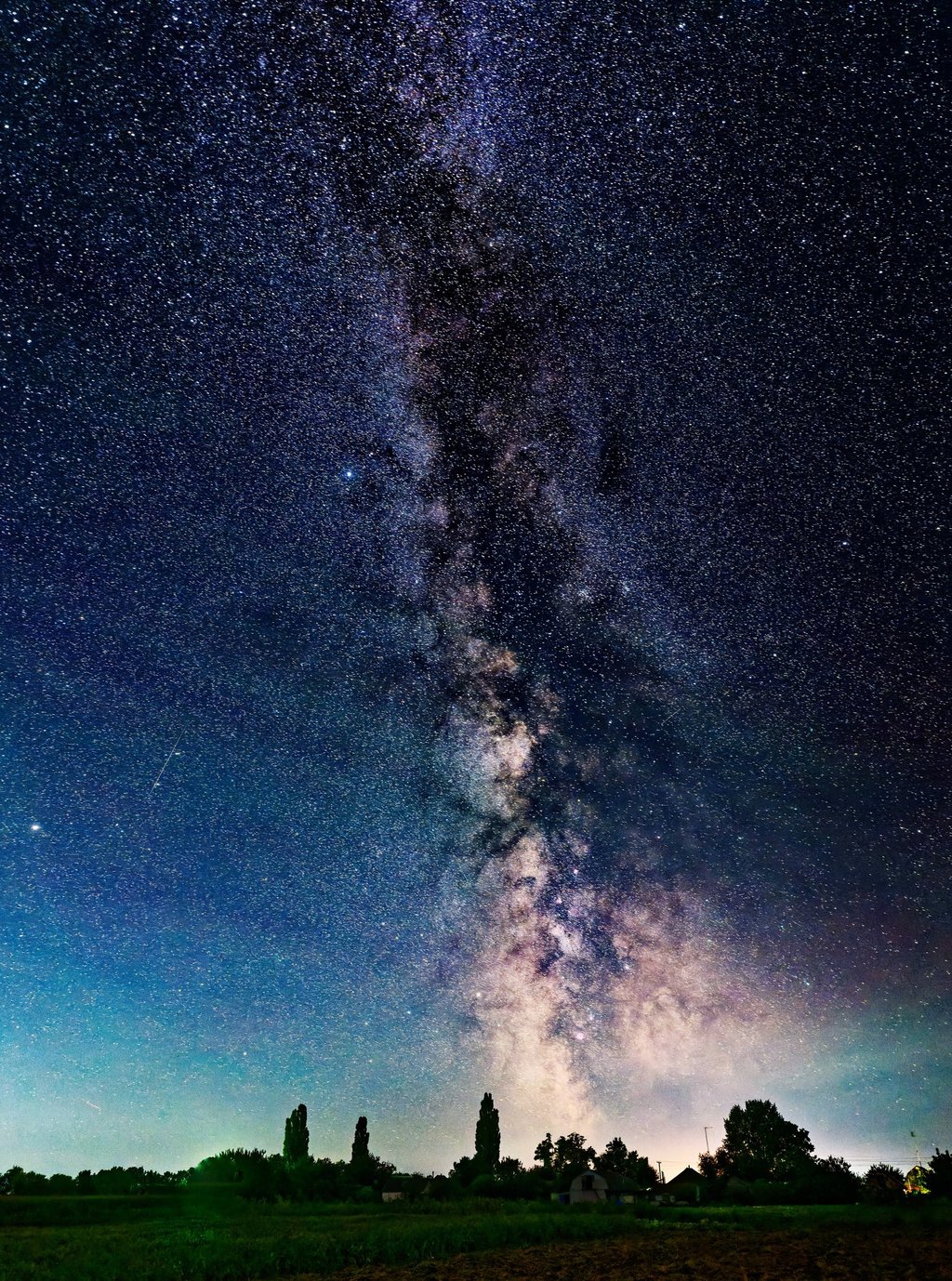
General tips for stargazing:
Watching the stars is so magical, isn't it? All those bright, beautiful dots scattered everywhere and millions of questions in your mind that keep you intrigued but somehow calm in the same time.
The sparkling light of stars, light breeze in the trees nearby, what a wonderful way to reconnect with Nature and Space. Stargazing and astronomy are wonderful.
But there is a little problem. Many people live in the cities and urban areas. And there, the light pollution might not let you see a lot of stars or even any at all. So the best thing you can do is to take a little trip and find best locations to stargaze and ways to explore celestial beauty.
With a little bit of planning and a few tips you will be ready to take your blanket, binoculars and telescope and enjoy the most beautiful views o starry skies.
Why don't you check out our top tips for best stargazing experience?
Here they are all nicely packed for you:
1. Look for organized stargazing and astronomy events
One of the best ways to start is by joining an event run by local astronomy clubs, observatories, dark sky sites or even - national parks. These “astronomy nights” often happen around big celestial events like meteor showers, eclipses, or special planetary alignments.
Why it helps: you’ll usually get guidance, equipment to look through, and an amazing group atmosphere.
2. Go to higher elevations if possible
If you can, find higher ground: hills, mountains and similar elevated viewpoints. Higher elevations most often have fewer obstacles on the horizon, and can be farther from city lights, which means there is less light pollution and that offers better visibility of the sky.
Little tip: even a small change in elevation can really help, especially if it gets you away from streetlights and bright buildings.
3. Keep warm
As you might know, nights can get much colder than temperatures during the day – so wear warm clothes, take a blanket with you, bring warm beverage and/or anything else that can keep you warm. Also always check the weather forecast so you don't get caught in rain or storm when stargazing.
Quick checklist: jacket, hat, gloves, scarf, blanket, warm beverage.
4. Bring binoculars or a basic telescope for better experience
This definitely isn't a must, but if you have the option, consider bringing binoculars or a telescope. You don't need anything expensive - any basic equipment will do, especially for beginners.
Extra tip: Rest your arms on something stable for better viewing experience of starry skies.
5. Always, always, always put safety first
Stargazing can often mean - darkness, uneven grounds, unfamiliar areas and locations. So plan ahead, stay on marked trails and accessible spots. If you are visiting more remote areas let someone know where you are going or bring someone with you (but also let others know where you are going).
For extra safety: have a fully charged phone or bring a power bank, bring a flashlight and water, check the weather conditions and practice all general safety tips for exploring remote areas.
Are you interested in discovering best places to view the stars in Europe? We have a guide for finding these precious spots.
Next post: Protected Dark Skies of Europe
Contact
Questions or tips? Reach out anytime:
SUBSCRIBE:
© 2025. Stargazing Europe All rights reserved.
Find best locations for stargazing and best spots for dark sky views:
Home
About
Blog
Locations