A practical guide to finding undiscovered and less known spots for stargazing in Europe
5/28/20264 min read
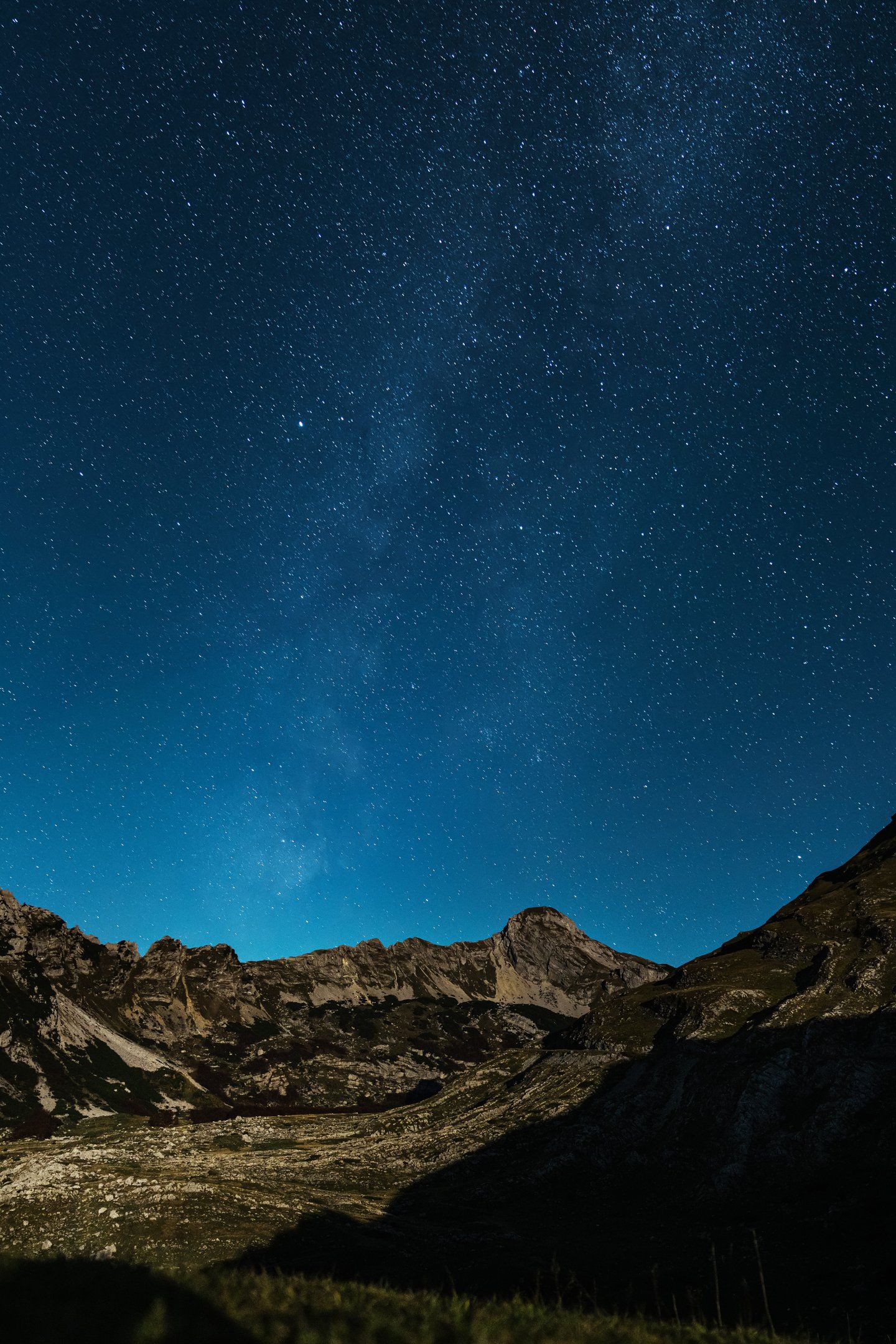
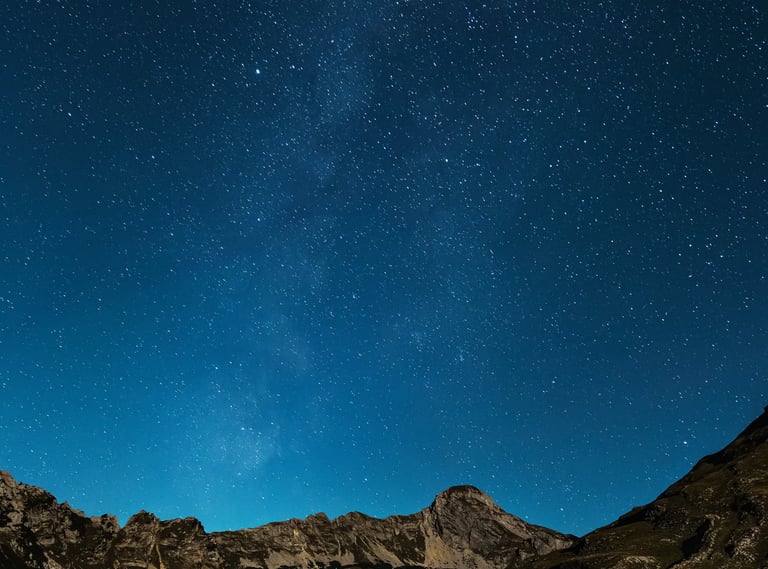
There’s a unique sense of wonder and magic hidden at a night sky full of stars, far away from the bright lights of urban areas, the big cities, street lights and billboards. Deep in the nature, in true wilderness waits an enchanting view of the stars. Europe’s diverse terrain and cultural richness provide endless opportunities to experience this celestial spectacle. Beyond the well-known observatories and designated dark sky parks lie hidden, less explored places where stargazing becomes a deeply personal and serene experience. If you’re passionate about the stars or simply seeking a quiet night in nature, this guide will help you discover some of Europe’s best-kept secrets for stargazing.
Why Seek Out Lesser-Known Stargazing Spots?
Popular stargazing sites often attract crowds, which can detract from the peaceful experience and sometimes limit your access during peak seasons. Exploring less popular spots means you can enjoy solitude, uninterrupted views, and a unique adventure. Plus, many of these hidden places are nestled in stunning natural settings, giving you a double treat of landscapes and brilliant night skies.
What Makes a Great Stargazing Spot?
ENVIRONMENT AND LOCATION:
Zero Light Pollution: The most critical factor. The darker the sky (ideally Bortle Scale 1 or 2), the more stars, nebulae, and the Milky Way you will see to the naked eye.
Elevated Altitude: Higher elevations mean thinner air and fewer atmospheric particles, allowing for sharper and clearer views.
Low Humidity & Dry Air: Less water vapor in the air reduces atmospheric distortion (astronomers call this "good seeing").
VIEW AND ATMOSPHERE:
Unobstructed Horizons: Look for locations with flat landscapes or high vantage points that don’t block the northern or southern skies with tall trees or steep canyon walls.
Clear Weather: The spot should naturally feature predictable, cloudless night skies.
No Wind: Mild winds keep your telescope steady and prevent the air from "shimmering."
TIMING AND PLANNING
The New Moon Phase: Stargazing is best done on or around a new moon so that lunar light doesn't wash out the stars.
Strategic Seasons: Winter months typically offer crisper air and longer nights, making them ideal for astronomy.
LOGISTICS:
Accessibility & Safety: The location must be legal to access at night, with safe parking and a scouting trip done during the day to avoid tripping hazards.
Undiscovered and Less Known European Stargazing Spots
Here are some remarkable, off-the-radar places scattered across Europe that are perfect for stargazing enthusiasts seeking something beyond the usual:
La Palma, Canary Islands, Spain
While Tenerife’s observatories are well known, La Palma remains a quieter jewel. Its volcanic landscapes and the Roque de los Muchachos Observatory sit amid some of the darkest skies in Europe. The island’s strict light pollution controls make it an excellent choice for spotting deep-sky objects.
Vätsäri Wilderness Area, Finland
Deep in the northern reaches of Finnish Lapland, Vätsäri offers an untouched wilderness with virtually no artificial light. Here you can combine stargazing with the possibility of catching the Northern Lights. The peaceful forests and lakes add to the ethereal experience.
Galloway Forest Park, Scotland
Known as the UK’s first Dark Sky Park, Galloway Forest Park is less crowded than other British sites like Exmoor or Brecon Beacons. Its sprawling woodlands and hills provide ample spots for night sky observation, and the crisp Scottish air often delivers stunning clarity.
Cairngorms National Park, Scotland
Cairngorms offer vast wilderness and some of the darkest skies in the UK. The highland terrain and low population density make it perfect for stargazers who want to combine nature exploration with night sky observation.
Picos de Europa National Park, Spain
Less frequented than the Alps or Pyrenees, the Picos de Europa in northern Spain combine rugged mountain scenery with excellent conditions for stargazing. The high peaks and valleys create perfect natural observation points.
Triglav National Park, Slovenia
Slovenia’s only national park is a hidden gem for outdoor lovers. Its alpine setting and strict environmental protections ensure minimal light pollution, making it ideal for star lovers who also want to explore dramatic landscapes by day.
Tips for Making the Most of Your Stargazing Adventure
To truly enjoy and maximize your stargazing experience, preparation and mindfulness are pretty important. Take a look at some essential tips to help you get the most out of your night under the stars:
Time Your Visit Around the Moon Cycle: The brightness of the moon can dramatically affect visibility. For the clearest, darkest skies, plan your outings during the new moon phase or when the moon is below the horizon. This way, the stars and celestial objects will shine with greater brilliance.
Equip Yourself Properly: Bring along binoculars or a telescope to enhance your viewing experience, especially if you want to observe planets or distant galaxies. Dress warmly in layers, as nighttime temperatures can drop significantly, even in summer. A comfortable reclining chair or a thick blanket will make long hours of sky watching more enjoyable.
Leverage Technology: Use stargazing apps or star chart guides on your smartphone to help identify constellations, planets, and other celestial phenomena. Many apps offer augmented reality features, making it easier to navigate the night sky and learn as you observe.
Practice Patience and Stillness: Give your eyes time to adjust to the darkness—this can take up to 20-30 minutes. Avoid looking at bright screens or lights during this adjustment period to maintain your night vision.
Minimize Light and Noise Pollution: Turn off all artificial lights and use red light flashlights if you need illumination, as red light is less disruptive to night vision. Keep noise levels low to preserve the peacefulness of the environment and avoid disturbing wildlife or other visitors.
Plan According to Weather Conditions: Clear skies are crucial for good stargazing. Check reliable weather forecasts in advance and be prepared to adjust your schedule. Consider heading to higher altitudes where the air is thinner and often clearer, reducing atmospheric distortion.
Stay Safe and Respectful: Choose safe locations that you can access easily in the dark, and inform someone about your plans if you’re venturing into remote areas. Always respect local regulations and natural habitats—leave no trace by carrying out all your waste.
Final Thoughts
Europe’s lesser-known stargazing spots offer a rewarding escape for those eager to connect with the night sky in peaceful, pristine settings. Whether it's the volcanic heights of La Palma or the silent forests of Finnish Lapland, you’re in for a celestial treat that feels both personal and timeless. So let the stars be your guide.
Keeping looking at the stars
FIND OUT MORE:
Contact
Questions or tips? Reach out anytime:
SUBSCRIBE:
© 2025. Stargazing Europe All rights reserved.
Find best locations for stargazing and best spots for dark sky views:
Home
About
Blog
Locations