What You Need to Know for an Unforgettable Stargazing Experience in Europe
6/2/20263 min read
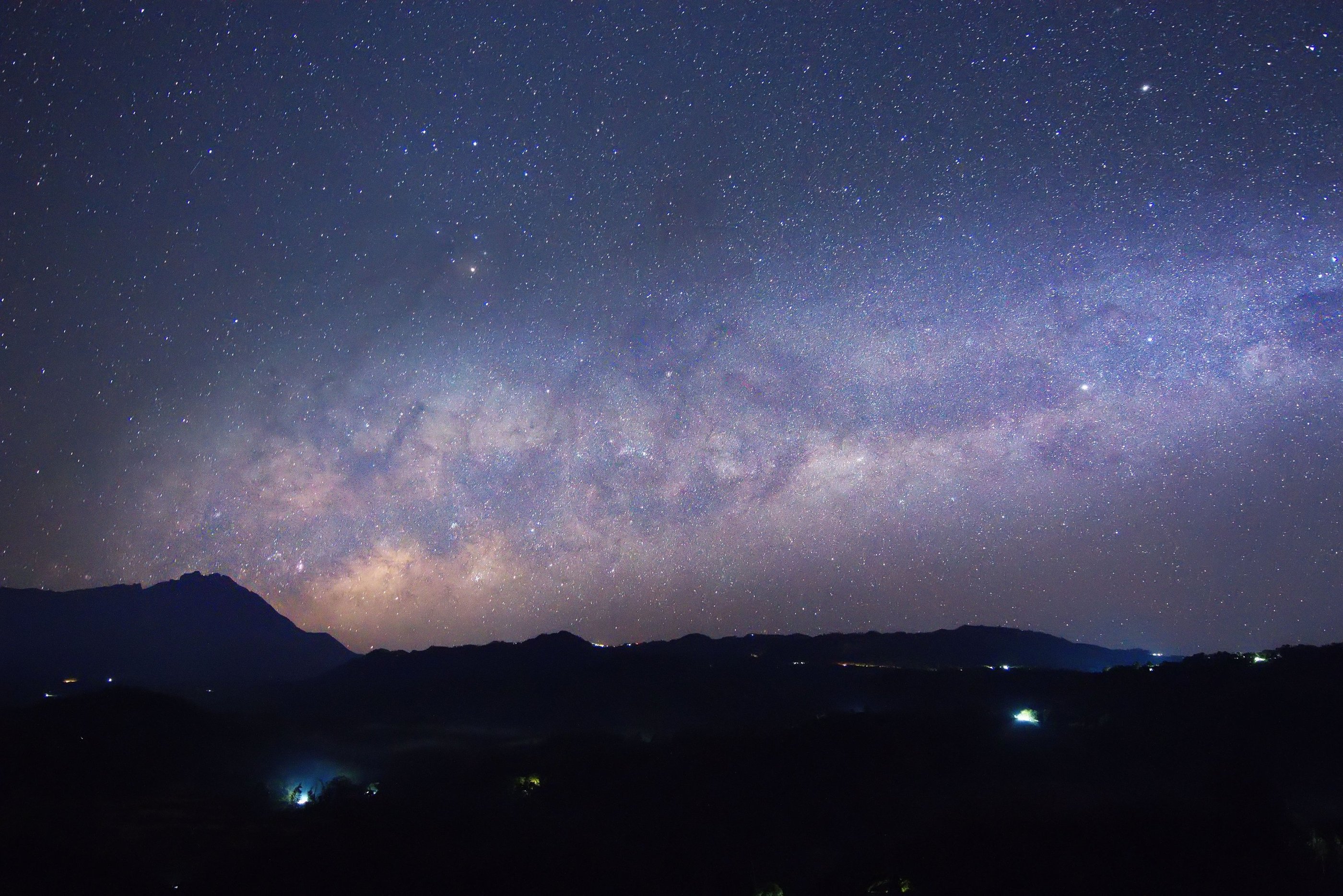
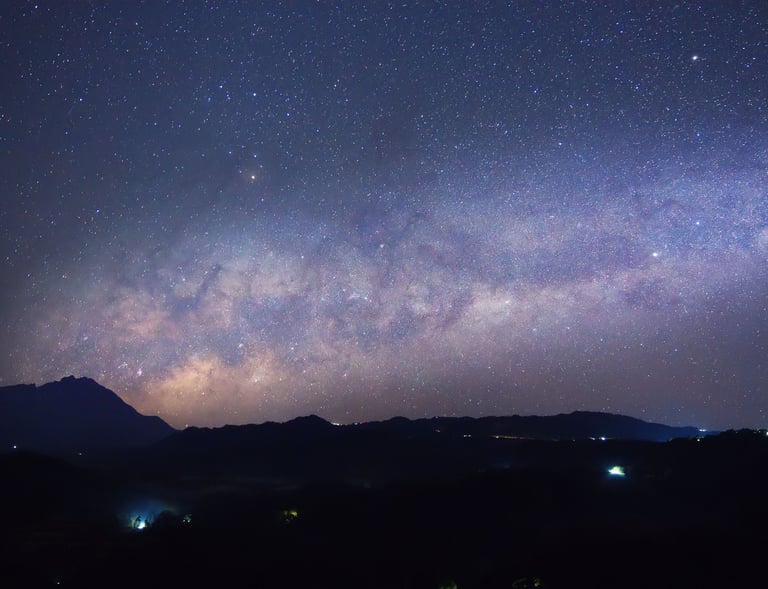
Stargazing is a timeless activity that allows us to connect with the vast universe beyond our planet. Europe has many opportunities for observing the night sky in ways that can be both inspiring and educational. Understanding certain key aspects of stargazing can significantly improve your experience and deepen your appreciation for the Cosmos.
Understanding and Minimizing Light Pollution
Light pollution poses one of the biggest challenges to clear night sky viewing. Even small sources of artificial light, such as street lamps, vehicle headlights, or mobile phone screens, can hinder your ability to see celestial objects. Many European countries have designated Dark Sky Parks and Reserves where lighting is strictly controlled to preserve natural darkness. Being aware of local lighting conditions and choosing locations with minimal light pollution will greatly enhance your viewing experience.
The Power of Dark Adaptation for Your Eyes
Human eyes need time to adjust to darkness in order to see the night sky clearly. This process, known as dark adaptation, can take between 20 to 40 minutes. During this time, the photoreceptor cells in your eyes become more sensitive to low light. Avoiding bright lights and switching off screens during this period will help you see more stars and details in the sky. Patience in allowing your eyes to adapt is one of the simplest yet most effective ways to improve stargazing.
Timing Your Visit Around Celestial Events
Europe offers a variety of natural astronomical events throughout the year, including meteor showers, planetary alignments, eclipses, and the visibility of planets like Venus and Jupiter. Being aware of these events and planning your stargazing trips accordingly can provide extraordinary skywatching experiences.
Emotional Benefits of Stargazing
Spending time under a starry sky has been shown to have some amazing effects. Stargazing can reduce stress, promote relaxation, and inspire us, which contributes to emotional well-being. In addition, it encourages mindfulness and a greater appreciation for the natural world, providing a refreshing break from everyday routines and technology.
The Role of European Mythology in Stargazing
Many constellations visible in European skies are linked to ancient myths and legends from Greek, Roman, and Norse traditions. Learning these stories adds a cultural and historical dimension to stargazing, transforming it into a narrative experience. Identifying constellations like Orion or Cassiopeia while recalling their mythological significance can make the night sky feel more alive and meaningful.
Common Stargazing Pitfalls and How to Avoid Them
Many people unknowingly make simple mistakes that reduce their stargazing enjoyment. These include:
arriving late and not allowing time for dark adaptation
using bright lights or screens during observation
not dressing appropriately for the weather.
Preparing in advance by checking weather forecasts, dressing warmly, bringing star charts or apps, and allowing ample time for your eyes to adjust can ensure a more fulfilling experience
Great stargazing does not require expensive or sophisticated equipment.
The naked eye is remarkably capable of revealing the beauty and wonder of the night sky, allowing you to see countless stars, recognizable constellations, planets, and even the glowing band of the Milky Way in dark, clear locations. Without the distractions of lenses or screens, you can fully immerse yourself in the vastness of the cosmos and develop a natural connection with the stars. This simplicity makes stargazing accessible to everyone, whether you’re in a remote countryside or a quiet park, emphasizing that the true magic of the night sky comes from observation and patience rather than technology.
The Impact of Geography on Sky Visibility
Europe’s varied geography - ranging from coastal cliffs to mountain ranges and wide open plains—affects sky clarity and visibility. Higher altitudes, such as those found in the Alps or Pyrenees, generally offer clearer skies due to thinner atmosphere and reduced air pollution. Coastal areas may benefit from unobstructed horizons, ideal for observing moonrises or planetary alignments. Understanding the local geography helps you choose the best locations for your stargazing goals.
Using Technology to Enhance Your Experience
Modern technology, including smartphone apps and digital star charts, can possibly enhance your stargazing. These tools help you identify stars, planets, and constellations in real time, making it easier to learn and explore the night sky. Some apps also provide alerts for upcoming celestial events and guidance on the best times to observe specific objects.
Stargazing in Europe is a rewarding pastime that combines natural beauty, cultural heritage, and scientific curiosity. By understanding these insights and preparing accordingly, you can enrich your nights under the stars and gain a deeper connection to the universe.
Contact
Questions or tips? Reach out anytime:
SUBSCRIBE:
© 2025. Stargazing Europe All rights reserved.
Find best locations for stargazing and best spots for dark sky views:
Home
About
Blog
Locations