Exploring Europe's best Dark Sky parks
We made this guide to lead you to the top locations that reveal beauty of the Universe
5/14/20263 min read
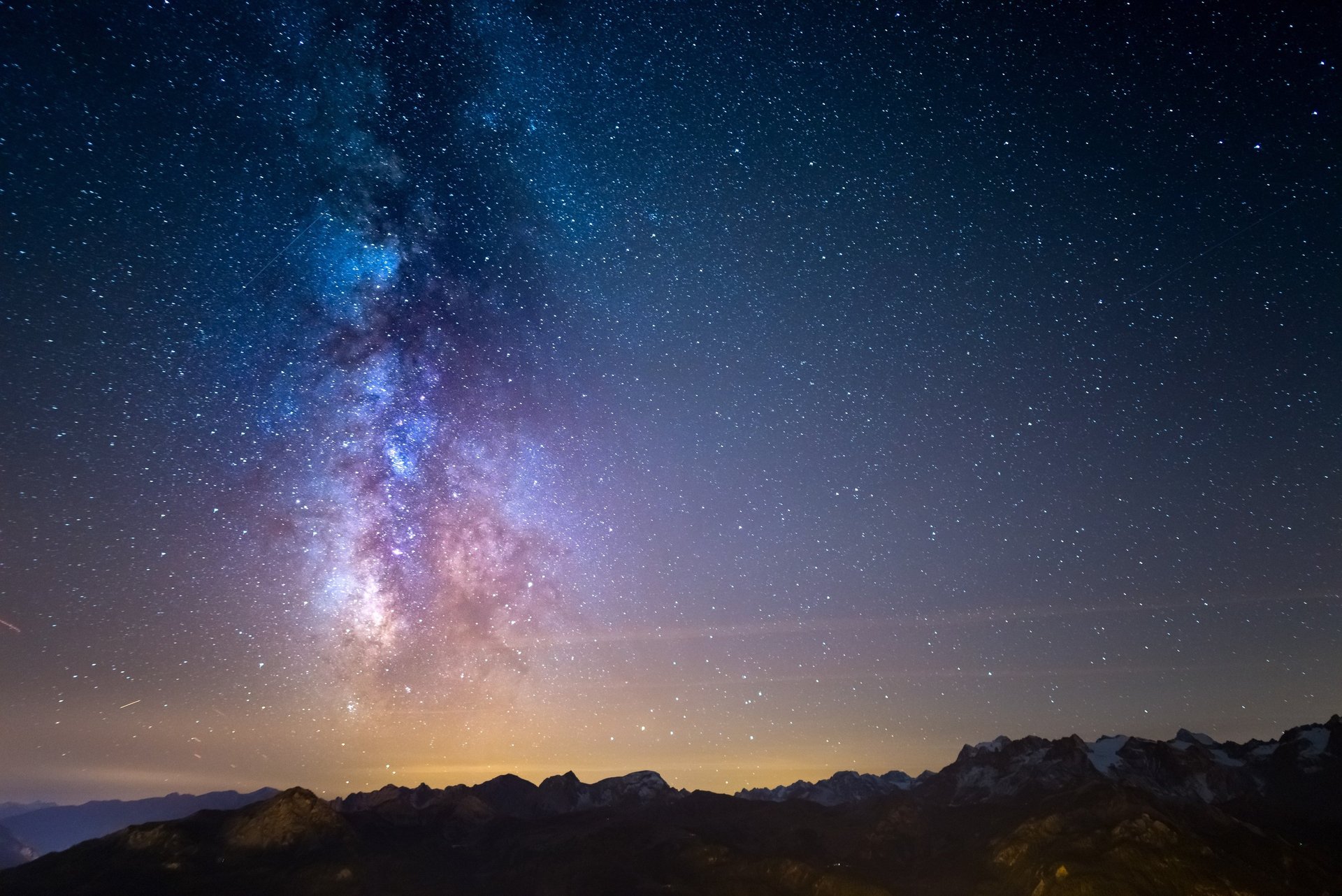
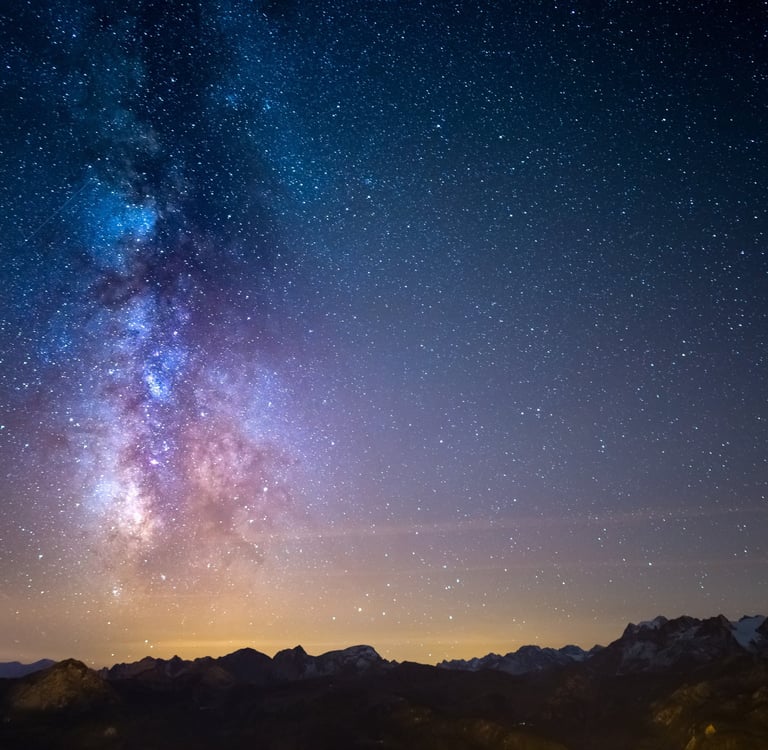
It is so rare these days to find a spot where the sky is truly dark and clear. With so much light pollution around cities and towns, it’s harder than ever to enjoy the natural beauty of the stars. Well, although there are many urban areas and major cities here, Europe still offers and protects several amazing dark sky parks - special places where efforts are made to keep the night skies as dark and natural as possible. These parks offer some of the best stargazing experiences you can find. Let’s do some exploration.
What Is a Dark Sky Park?
A dark sky park is an area recognized for its very low levels of artificial light, which means - you can ACTUALLY see stars, planets, and the Milky Way much more clearly than in regular places. These parks work hard to reduce light pollution, protecting wildlife and preserving the beauty of the night sky for visitors. When you visit, it feels like stepping into a peaceful, magical world where the stars shine bright and clear.
Best Dark Sky parks and reserves of Europe:
Northumberland National Park & Kielder Water & Forest Park (England)
As Europe's largest Gold Tier Dark Sky Park, it offers exceptionally dark skies and hosts the Kielder Observatory.
Kerry International Dark-Sky Reserve (Ireland)
Ireland's first Gold Tier reserve on the Iveragh Peninsula, renowned for its "Atlantic silence" and clear stellar views.
Pic du Midi de Bigorre (France)
Located in the Pyrenees, this was the first Dark Sky Reserve in France and is considered a top location for high-altitude stargazing.
Bannau Brycheiniog / Brecon Beacons National Park (Wales)
Recognized as an International Dark Sky Reserve, offering some of the best stargazing in the UK.
Alqueva Dark Sky Reserve (Portugal)
Located in the Alentejo region, this was the first site to receive the "Starlight Tourism Destination" certification.
Westhavelland Nature Park (Germany)
A vast dark sky park just west of Berlin, known as one of the darkest places in Germany.
Eryri / Snowdonia National Park (Wales)
A designated reserve known for its intense dark skies and numerous star-discovery sites.
Cranborne Chase National Landscape (England)
An International Dark Sky Reserve in south-central England recognized for its commitment to reducing light pollution.
Hortobágy Starry Sky Park (Hungary)
A significant dark sky location in Eastern Europe, offering pristine views in the Hortobágy National Park.
Roque de los Muchachos, La Palma (Spain)
Located in the Canary Islands, this is famous for hosting international telescopes and providing world-class astronomical conditions
Other Notable Locations:
Elan Valley Estate (Wales): A top ten ranked dark sky spot in Wales.
Bodmin Moor (England): A designated Dark Sky Landscape in Cornwall.
Pic de Vercors (France): A popular star-spotting regional park in France.
Petrova gora (Croatia): As Croatia's first certified Dark Sky Park (2019), this area in Karlovac and Sisak-Moslavina counties is known for its dense forests and minimal light, ideal for astronomical observation.
Jelsa (Hvar Island, Croatia): Recognized as Southern Europe's first Dark Sky Community, Jelsa is celebrated for its commitment to protecting the night sky while providing a scenic, dark coastal location.
Risnjak National Park: Due to its remote location, this park in Gorski Kotar offers excellent visibility
Moffat, Scotland: Known as Europe's first "Dark Sky Town," which introduced specific lighting to reduce light pollution.
Sark, Channel Islands: The world's first dark sky island, where the lack of cars and public street lighting makes it ideal for stargazing.
Bassegoda Park, Albanyà, Spain: A certified "astronomical campsite" near the Pyrenees, providing observatory-grade equipment for visitors.
Zselic National Landscape Protection Area, Hungary: Known for its pristine, dark environment and educational, guided night hikes
Tips for Enjoying Your Visit to a Dark Sky Park
Check the Moon Phase: The best nights for stargazing are during the new moon, when the moon’s light won’t wash out the stars.
Dress Warmly: Nights in these parks can get cold, even in summer, so bring layers.
Use a Red Flashlight: Red light helps preserve your night vision better than regular white light.
Join Local Events: Many parks offer stargazing nights, guided tours, or workshops to help you learn more about the sky.
Exploring Europe’s dark sky parks is more than just an opportunity to witness stunning celestial displays—it’s a way to reconnect deeply with the universe and our place within it. These parks remind us of the delicate balance between nature and human activity, showing how preserving natural darkness benefits not only the night sky but also the health of local ecosystems. By visiting and supporting these protected areas, we help raise awareness about light pollution and the importance of safeguarding our environment for future generations to enjoy the beauty of the Universe.
Keep searching for stars.
Contact
Questions or tips? Reach out anytime:
SUBSCRIBE:
© 2025. Stargazing Europe All rights reserved.
Find best locations for stargazing and best spots for dark sky views:
Home
About
Blog
Locations